
Difference Between Dry Cleaning and Washing at Home: A Complete Guide
By LaundraMoon · 9 September 2025
Share :
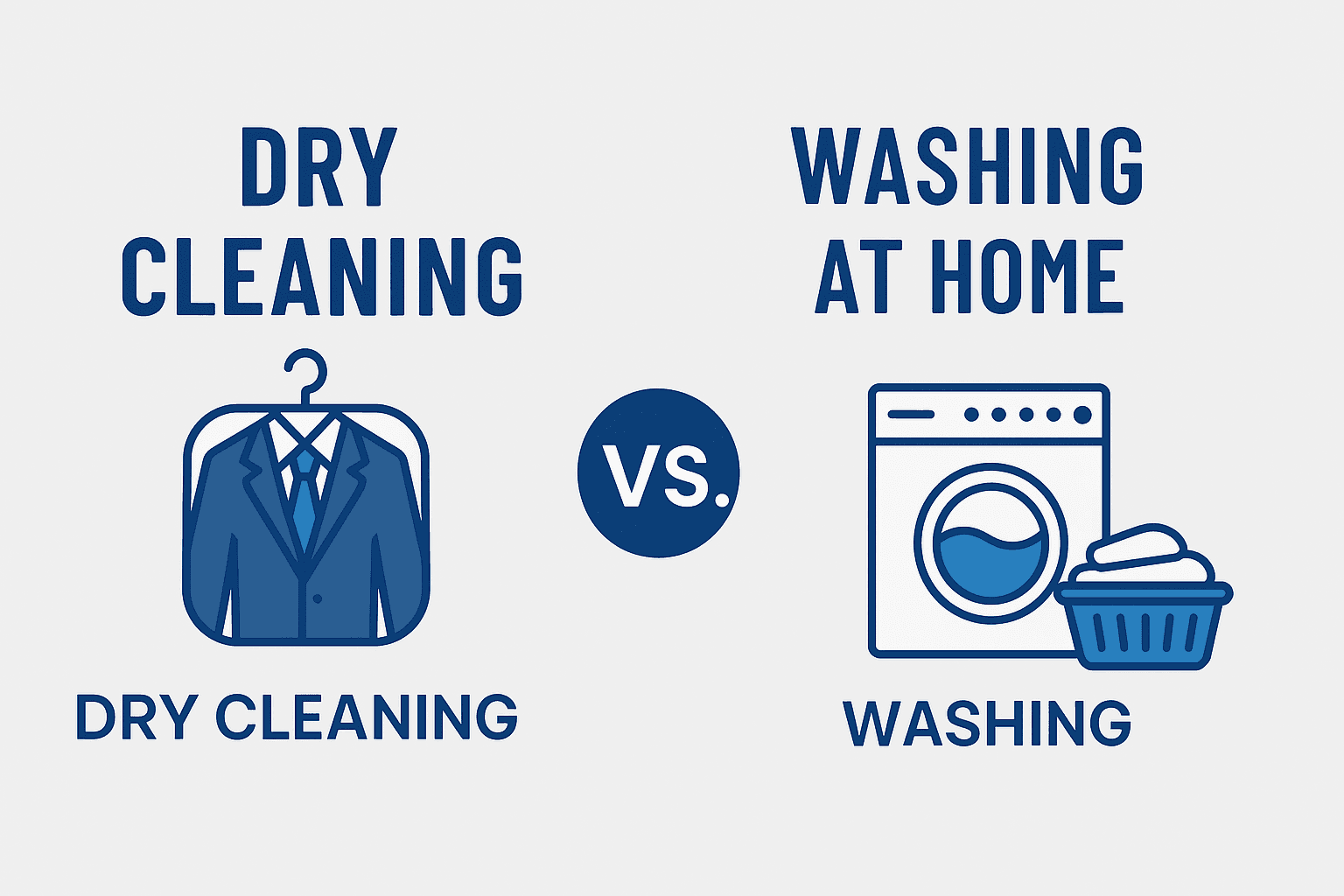
When it comes to keeping clothes fresh and clean, most people rely on two methods: washing at home or professional dry cleaning. Both methods serve the same purpose—removing dirt, stains, and odors—but they differ significantly in process, effectiveness, and impact on your garments. Understanding the key differences will help you choose the right care for your clothing, ensuring they last longer and maintain their quality.
What is Washing at Home?
Washing at home is the most common and convenient way to clean clothes. It involves using water, detergent, and sometimes fabric softeners in a washing machine or by hand. Hot, warm, or cold water cycles can be chosen depending on the type of fabric and stain.
Pros of Washing at Home:
- Convenience: Easily done anytime with access to a washing machine.
- Cost-effective: Cheaper compared to professional services.
- Variety: Different detergents, softeners, and washing cycles allow customization.
- Freshness: Clothes often smell fresh and clean after a wash.
Cons of Washing at Home:
- May cause shrinkage, fading, or stretching in delicate fabrics.
- Tough stains like oil or wine may not be fully removed.
- Risk of color bleeding if not sorted properly.
- Requires time and effort to wash, dry, and iron.
What is Dry Cleaning?
Dry cleaning service is a professional cleaning process that uses chemical solvents instead of water. Despite the name, the process involves liquid solvents such as perchloroethylene (perc) or eco-friendly alternatives. Clothes are cleaned in specialized machines that gently remove stains without affecting the fabric’s texture or shape.
Pros of Dry Cleaning:
- Gentle on fabrics: Protects delicate materials like silk, wool, and velvet.
- Effective stain removal: Great for grease, oil, and stubborn stains.
- Maintains shape and color: Clothes stay crisp and vibrant.
- Professional finishing: Includes pressing and packaging for a polished look.
Cons of Dry Cleaning:
- Costly: More expensive than home washing.
- Not instant: Requires drop-off and pickup.
- Chemical concerns: Traditional solvents can be harsh, though eco-friendly options are now available.
Key Differences Between Dry Cleaning and Washing at Home

Let’s break down the main distinctions to help you decide which method suits your needs best:
1. Cleaning Agent
- Dry Cleaning: Uses chemical solvents, not water.
- Home Washing: Uses water, detergent, and softeners.
2. Fabric Compatibility
- Dry Cleaning: Best for delicate, “dry clean only” fabrics such as silk, wool, cashmere, velvet, and structured garments.
- Home Washing: Suitable for cotton, polyester, denim, and everyday wear.
3. Stain Removal
- Dry Cleaning: Highly effective for oil, grease, and wine stains.
- Home Washing: Works well for food stains, sweat, mud, and dust.
4. Cost Factor
- Dry Cleaning: More expensive due to professional handling and solvents.
- Home Washing: Inexpensive—just detergent, water, and electricity.
5. Convenience
- Dry Cleaning: Requires visiting a dry cleaner and waiting for service.
- Home Washing: Can be done anytime at your convenience.
6. Impact on Garment Life
- Dry Cleaning: Extends life of delicate or luxury garments.
- Home Washing: Can wear out fabrics faster if not done carefully.
When Should You Choose Dry Cleaning?
You should consider dry cleaning when:
- The garment tag says “Dry Clean Only.”
- Clothes are made of silk, wool, velvet, or linen.
- You’re dealing with oil-based stains or delicate embroidery.
- You need professional finishing for suits, blazers, or formal dresses.
When Should You Wash at Home?
Washing at home works best when:
- Clothes are everyday wear like t-shirts, jeans, and casual dresses.
- Fabrics are sturdy, like cotton or polyester.
- You need a quick, cost-effective clean.
- The garment doesn’t require special care or ironing.
Dry Cleaning vs Washing at Home: Comparison Table

Tips to Extend Garment Life
Whether you dry clean or wash at home, these tips can help you keep clothes looking newer for longer:
- Always read care labels before cleaning.
- Don’t over-wash; sometimes airing clothes is enough.
- Spot clean minor stains immediately before they set.
- Store clothes properly in breathable garment bags.
- Rotate garments to avoid excessive wear on favorites.
Conclusion
The choice between dry cleaning and washing at home depends on the type of garment, fabric, stains, and your personal needs. Dry cleaning is ideal for delicate, expensive, or formal clothing that requires extra care, while washing at home is practical for everyday wear.
By knowing when to use each method, you can ensure your wardrobe remains fresh, clean, and long-lasting—saving both time and money in the long run.
Why choose LaundraMoon?
Laundry and dry cleaning with collection and delivery across London.

4.9 on Google
24-Hour Turnaround
Pickup, clean, and delivery within a single day, citywide.
Gentle, Green Cleaning
Biodegradable detergents and non-toxic solvents keep garments and skin safe.
Clear prices
Dry cleaning and laundry without hidden extras or rush fees.
London customers
Busy families, professionals and local businesses use us week in, week out.
Couture Specialists
Wedding dresses, sarees, lehengas, and luxury designer pieces handled with care.
Tailoring & Repairs
In-house experts restore fits, hems, and intricate details on demand.
Our partners
We work with hotels, the NHS and other organisations across London.

IHG Hotels

NHS

NHS London
