
Stain Removal Chart: What Works for What (Quick Reference Guide)

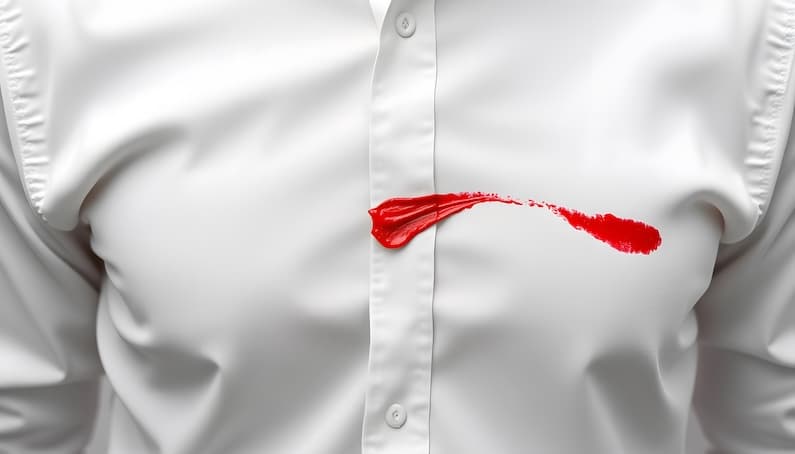
Share :
Spilled coffee on your shirt? Grease splatter on your favourite jeans? Don’t panic. The key to successful stain removal is acting quickly and using the right treatment for the right stain.
Why Stains Set (And Why Speed Matters)
Most stains bond with fabric fibres when exposed to:
- Heat
- Time
- Friction
- Incorrect cleaning products
Golden Rule:
- Blot, don’t rub.
- Avoid heat until the stain is completely gone.
Now, let’s get into the quick-reference stain removal chart.
Stain Removal Chart (Quick Reference)

How to Remove Common Stains (Step-by-Step)
Coffee & Tea Stains

- Blot immediately.
- Rinse from the back with cold water.
- Apply liquid detergent.
- Wash normally (check before drying).
Pro Tip: Add white vinegar for stubborn marks.
Red Wine Stains

- Blot excess liquid.
- Cover with salt to absorb moisture.
- Rinse with cold water.
- Apply baking soda paste if needed.
For dried stains, professional cleaning often gives the best results.
Grease & Oil Stains

Grease needs a degreaser — not just water.
- Apply dish soap directly to stain.
- Gently work it in.
- Let sit for 10–15 minutes.
- Wash in warm (fabric-safe) water.
Blood Stains

Always use cold water only.
- Soak in cold water.
- Apply hydrogen peroxide (for whites).
- Rinse and repeat if needed.
Heat will permanently set blood stains.
Ink Stains

- Place paper towel underneath.
- Dab with rubbing alcohol.
- Blot gently.
- Wash once lifted.
Never rub — it spreads ink.
Makeup Stains

Foundation, lipstick, mascara?
- Use micellar water or dish soap.
- Dab gently.
- Wash as normal.
Oil-based makeup responds best to degreasing products.
Fabric-Specific Stain Advice
Cotton
Durable and easier to treat. Most methods work well.
Silk & Wool
Delicate — avoid harsh chemicals. Spot test first or consider professional cleaning.
Synthetic Fabrics
Oil stains cling more — pre-treat thoroughly.
When to Call the Professionals
Some stains are best handled by experts:
- Set-in wine stains
- Oil on delicate fabrics
- Large or expensive garments
- Designer or formalwear
Professional laundry & dry cleaning services use specialist solvents that household products can’t replicate.
Stain Removal FAQs
Q: Should I use hot or cold water?
Cold first. Heat sets most stains.
Q: Can I put stained clothes in the dryer?
Only after the stain is completely gone. Heat locks it in permanently.
Q: Does baking soda really work?
Yes — especially for odour, sweat, and light stains.
Final Tips for Stain-Free Clothes
✔ Act fast
✔ Blot, don’t rub
✔ Avoid heat
✔ Always check before drying
✔ When in doubt, go professional
Keeping this stain removal chart bookmarked can save your wardrobe — and your money.
Greener cleaning
We use biodegradable detergents where we can, cut water use with modern equipment, and plan delivery routes to keep unnecessary mileage down.
Biodegradable Detergents
Plant-based, non-toxic formulas that protect delicate fibres and our waterways.
Closed-Loop Water Systems
Advanced recycling machinery cuts water use by up to 40% and reduces wastewater.
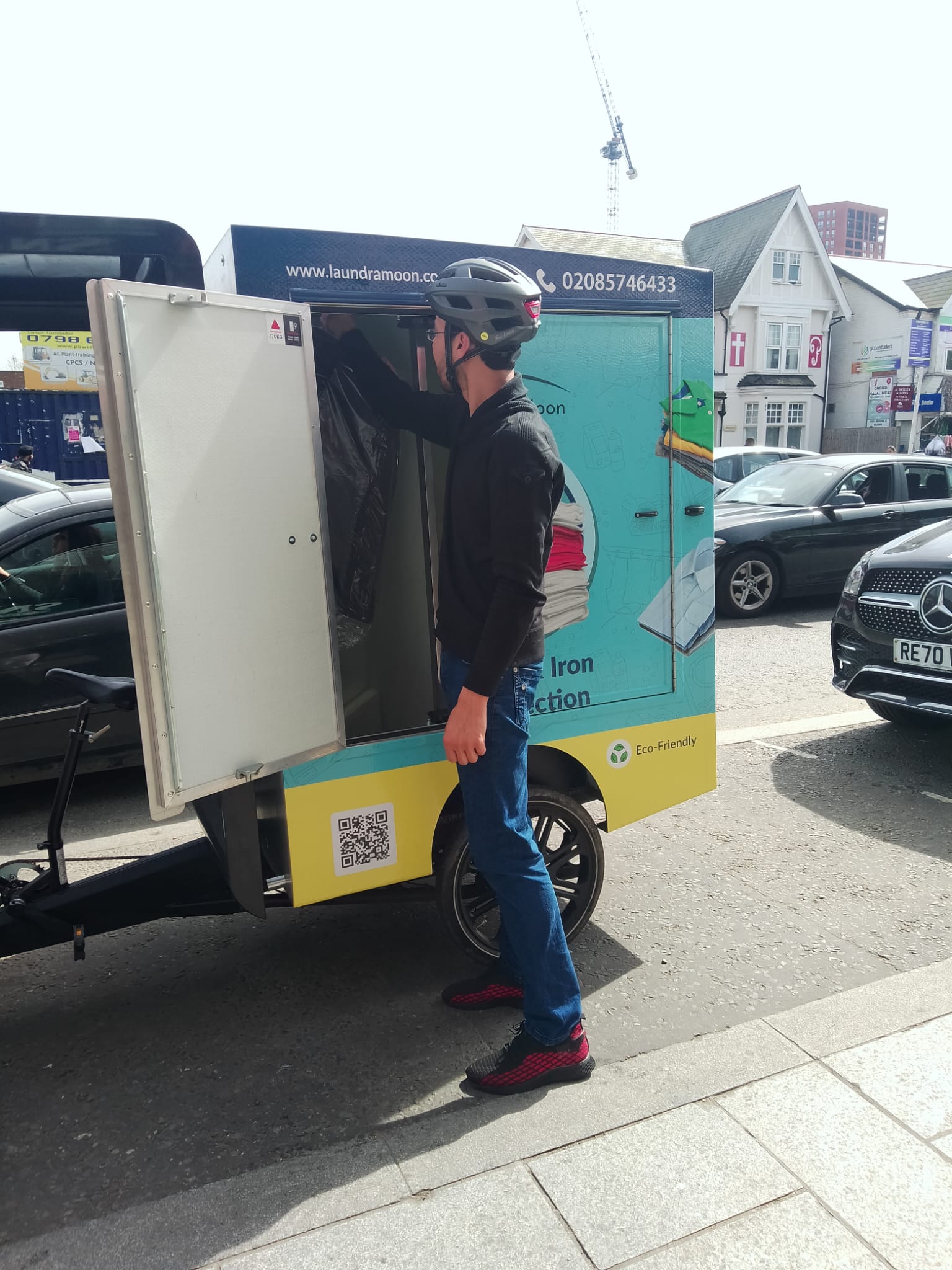
Electric Last-Mile Fleet
Zero-emission vehicles and smart routing keep our carbon footprint in check.

Why choose LaundraMoon?
Laundry and dry cleaning with collection and delivery across London.
4.9 on Google
24-Hour Turnaround
Pickup, clean, and delivery within a single day, citywide.
Gentle, Green Cleaning
Biodegradable detergents and non-toxic solvents keep garments and skin safe.
Clear prices
Dry cleaning and laundry without hidden extras or rush fees.
London customers
Busy families, professionals and local businesses use us week in, week out.
Couture Specialists
Wedding dresses, sarees, lehengas, and luxury designer pieces handled with care.
Tailoring & Repairs
In-house experts restore fits, hems, and intricate details on demand.
Our partners
We work with hotels, the NHS and other organisations across London.

IHG Hotels

NHS

NHS London
